
HACCP: food safety born in space
How food safety was born while preparing meals for astronauts and why it is essential on Earth today. An introduction to the seven HACCP principles and the role of X-ray inspection.
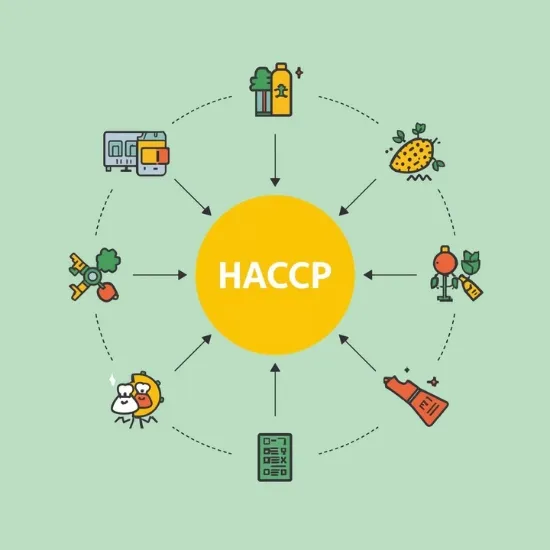
Have you ever wondered how astronauts eat in space? In zero gravity, even a crumb can cause a serious problem: block ventilation or damage sensitive instruments. Food safety there is absolutely critical. This is where the HACCP system comes from, today one of the cornerstones of food safety worldwide.
What HACCP is and where it came from
HACCP (Hazard Analysis and Critical Control Points) was developed in the 1960s by NASA, the US Army and the Pillsbury company. The goal was simple: completely safe, pathogen-free food for space missions.
The method proved so effective that it quickly spread to everyday food production. Today HACCP is a mandatory part of food manufacturing and a key tool for protecting consumer health.
Why HACCP still matters
The modern food industry works with huge volumes, complex technology and strict hygiene requirements. Any mistake can lead to customer complaints, product recalls, brand damage and financial losses. HACCP helps prevent these situations rather than just dealing with them afterwards.
The seven HACCP principles
1. Hazard analysis
Identifying all hazards that can arise in production and proposing how to eliminate or control them. Physical contaminants can come from production equipment, tools, packaging materials and the raw materials themselves, such as small stones in nuts or berries.
2. Determining critical control points (CCPs)
Points in production where hazards can best be controlled, often for example the primary packaging stage. This is where food X-ray systems come in, detecting metal, stone, glass and other contaminants – exactly the invisible hazards HACCP identifies as the main ones.
3. Establishing critical limits
Clear limits must be defined for each critical point according to the technology used, the type of product and the kind of possible contaminant.
4. Monitoring
Each critical point must be monitored continuously: performance tests, measurement methods, frequency of checks, responsible persons and how results are recorded. Modern X-ray systems monitor the line continuously and record results automatically.
5. Corrective actions
In case of a deviation, it must be clear what follows: root cause analysis, a decision on what happens to the product, a recall if necessary and preventive steps so the situation does not recur.
6. Verification
The HACCP system must be verified regularly through internal audits, consultations with experts, scientific validation of procedures and technical justification of the technology used.
7. Documentation
Records of responsible persons, hazards, limits, control points, measurement results and corrective actions. X-ray systems largely automate this documentation, saving time and reducing the risk of human error.
HACCP as a long-term commitment
HACCP is not a one-off measure but a continuous process: regular checks, staff training and a long-term commitment to food safety. Those who follow the seven HACCP principles significantly reduce the risk of contamination, protect consumer health and build a trustworthy brand.
How a food X-ray system helps
- Safety: detects metal, glass, stone and other contaminants.
- Speed: automatic inspection and rejection without slowing production.
- Documentation: every inspected product is recorded, making audits and HACCP compliance easier.
- Confidence: constant control over your products and a lower risk of complaints or recalls.